a year long photographic survey of alaska to inspire wilderness conservation and cultural preservation
THE PROJECT
The Great Alaska Project is a year long documentary and fine art photography project being undertaken by Joshua Klein to create a visual record of Alaska at a critical moment of its ecological and cultural history. Spurred by the accelerating effects of climate change and the recent opening of the Arctic National Wildlife Refuge to oil exploration, this project will create a large body of photographs that functions both as a work of fine art and as a catalyst for wilderness conservation & cultural preservation.
The mission is the creation of a museum quality exhibition, a large format book, and a public digital archive for educational & research purposes that will underscore the need to protect a fragile and far removed corner of our country.
alaska: the front line of climate change
While we imagine Alaska to be a vast and indomitable land, it is in fact the canary in the coal mine for our planet. An effect known as Arctic amplification is warming Alaska at rates far higher than the rest of the world. The result is receding glaciers, melting permafrost, wildlife habitat destroyed, and the Inuit villages that have endured for millennia are being forced to relocate due to coastal erosion. At the same time, the recent opening of the Arctic National Wildlife Refuge to oil drilling places one of the last great tracts of pristine American wilderness in jeopardy.
project description
Seasonal structure: The project employs an immersive, seasonal approach with four sessions totaling 20 weeks in Alaska over the course of one year. Each phase will last 4 to 6 weeks allowing for deep engagement with locations and communities. The structure is designed to allow familiarity with the terrain in addition to granting the time to build trust & understanding necessary for in-depth documentary work.
Timeline: The project will unfold across a twelve-month period beginning early summer 2026, followed by a post-production, exhibition, and publication phase
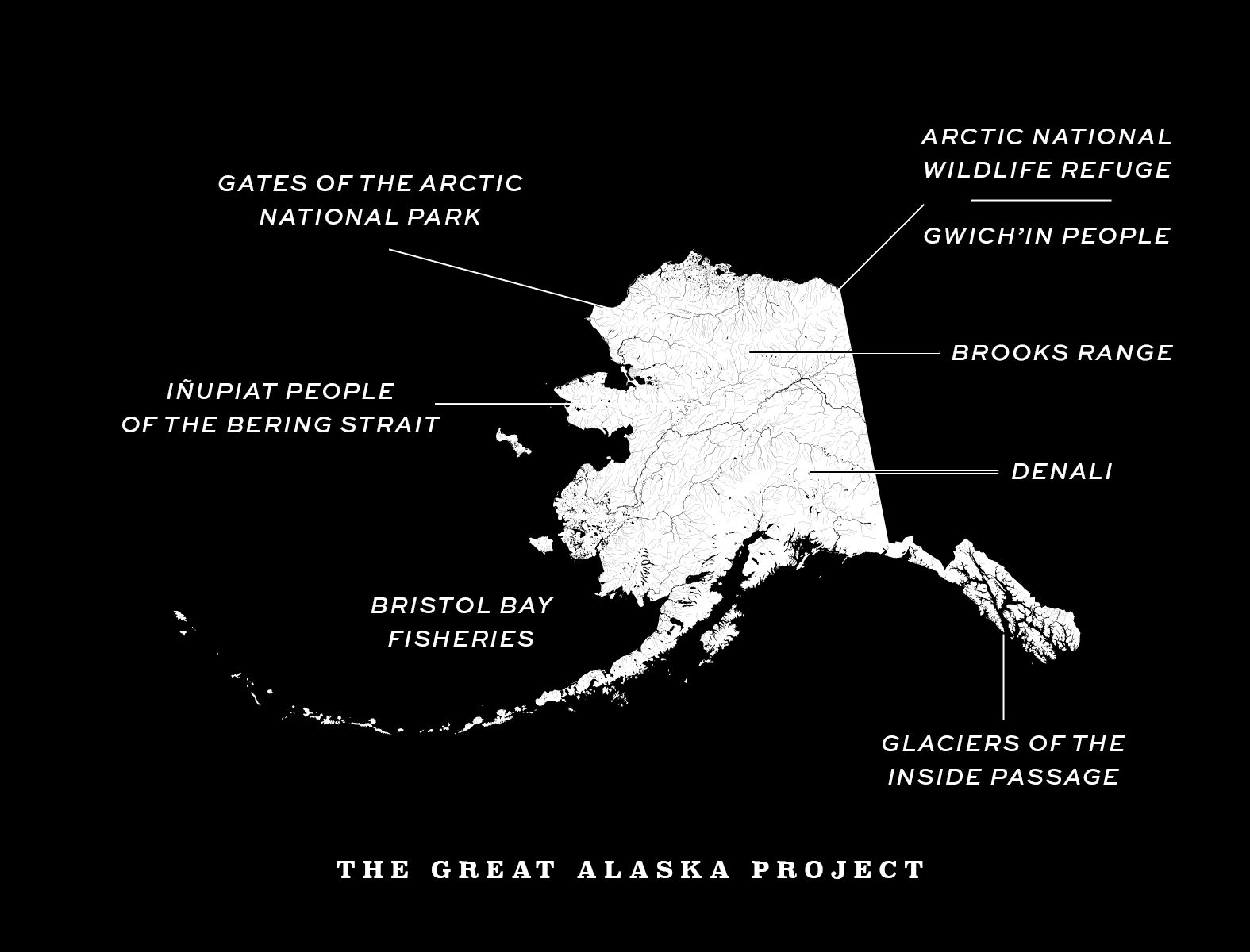
Locations: Brooks Range, Arctic National Wildlife Refuge, Gates of the Arctic National Park, the North Slope tundra, Denali, the glaciers of the Inside Passage, Bristol Bay fisheries, and Bering Strait coastal communities — spanning at least six distinct geographic regions and cultures.
Landscape: Images capturing the full scale and beauty of Alaska’s wilderness alongside honest documentation of industrial development and mineral extraction and their impact on the natural environment.
Portraits: Documentary portrait work with the Iñupiat and Gwich’in peoples of the North Slope — whose cultures are tied to the caribou migration — as well as commercial and subsistence fishing communities, conducted with explicit consent and Indigenous cultural consultants.
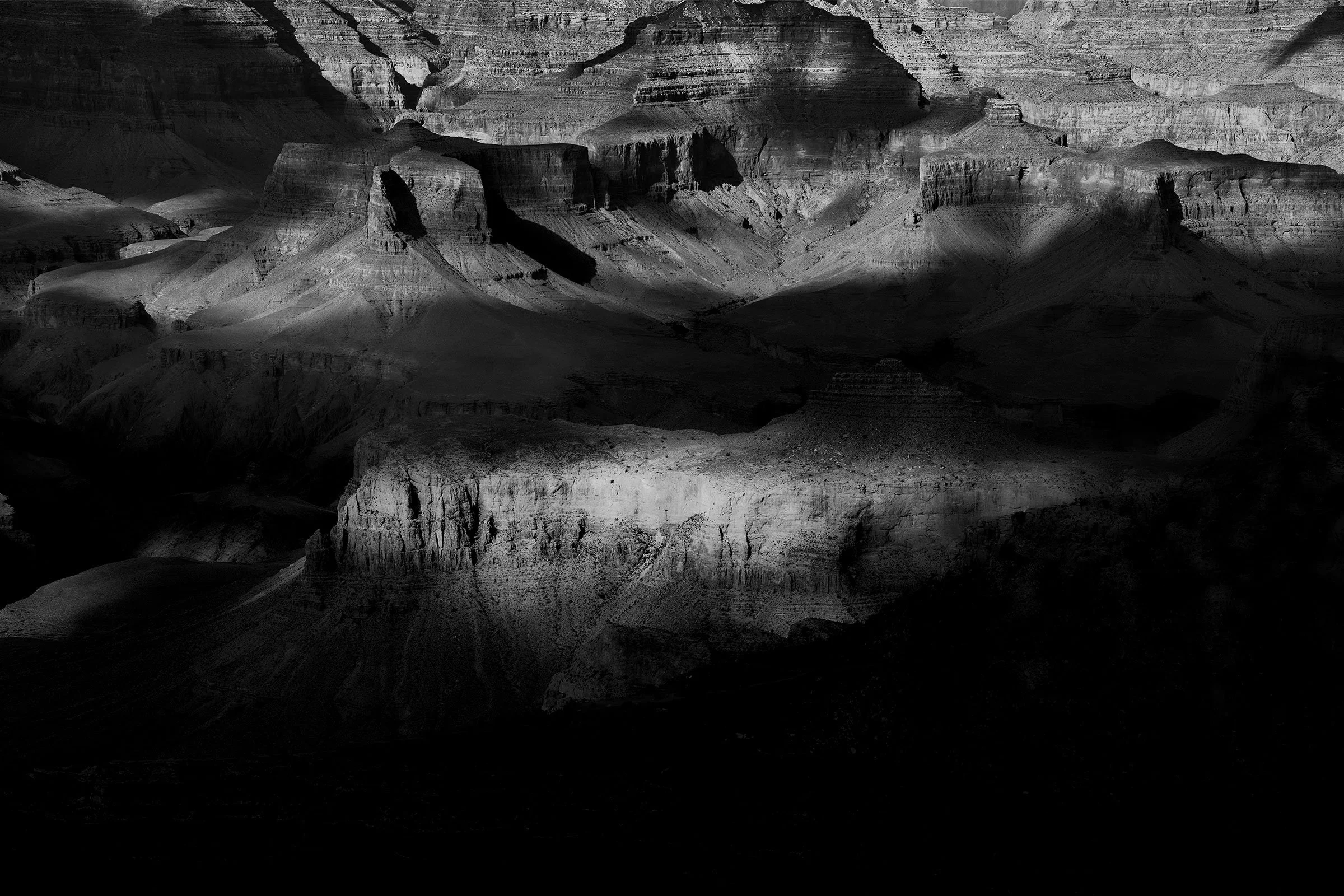
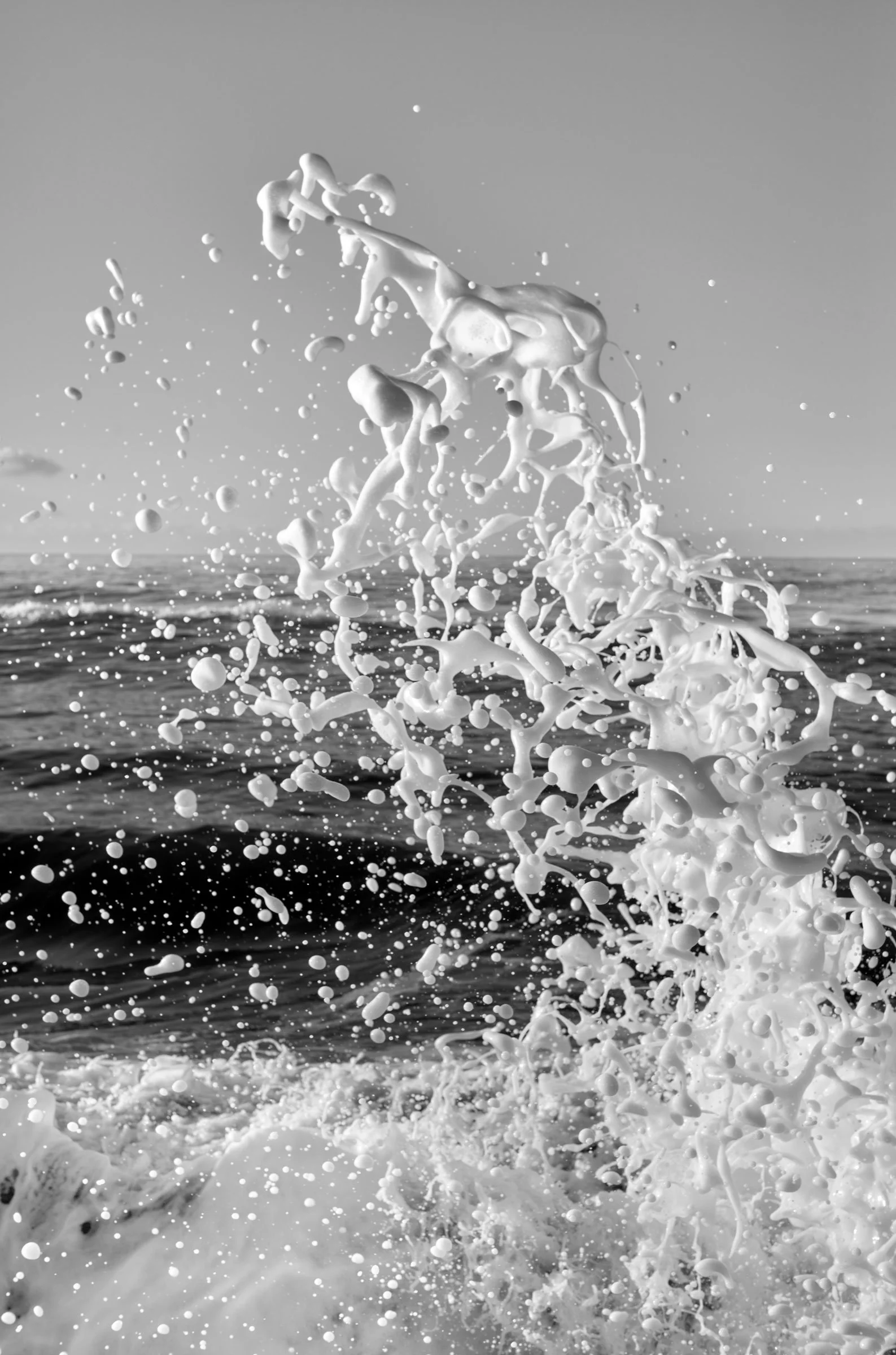
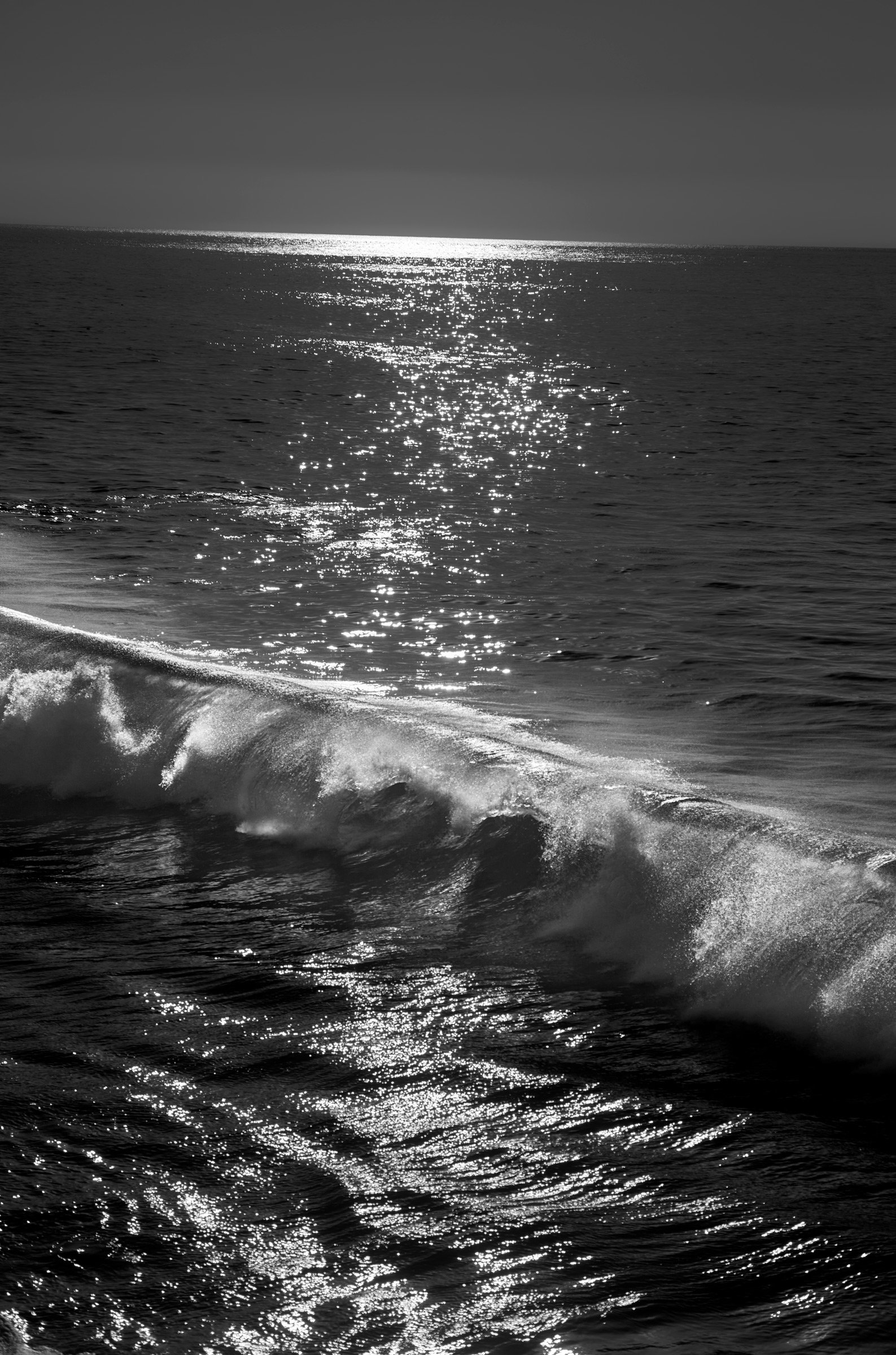
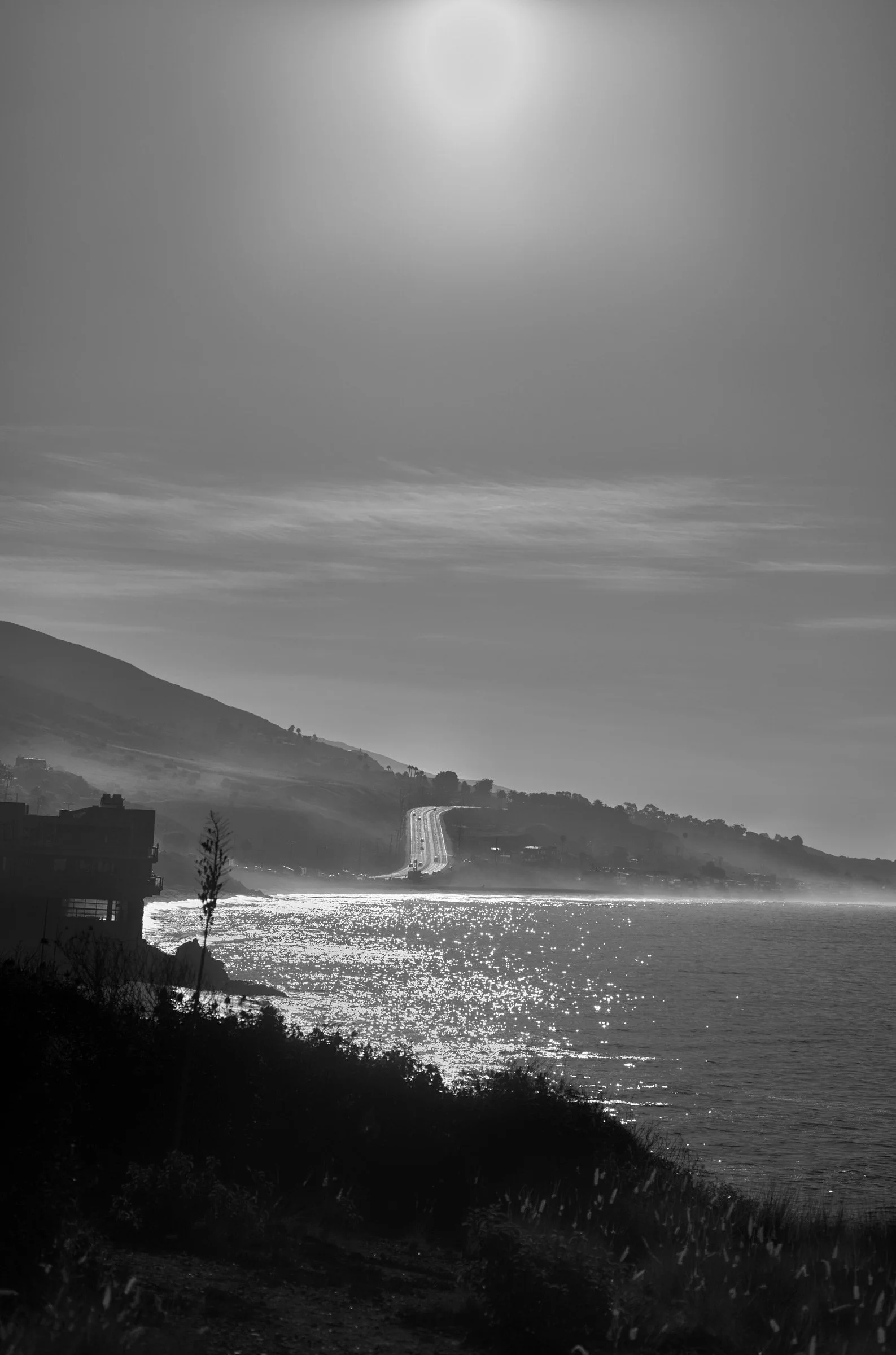
Camera: Shot on a specialized monochrome digital camera system, capturing luminosity, texture, and tonal range beyond conventional systems — producing emotionally resonant, exhibition-scale black-and-white prints.
Access: Remote locations reached via bush planes, intra-Alaska flights, ferries, and fishing boats; wilderness guides and Indigenous consultants utilized to assist with access and cultural sensitivity.
Ansel Adams photographing Yosemite.The project will engage the power of photography — as it has from Carleton Watkins to Ansel Adams to Sebastião Salgado — to forge an emotional connection to a threatened landscape and its people.
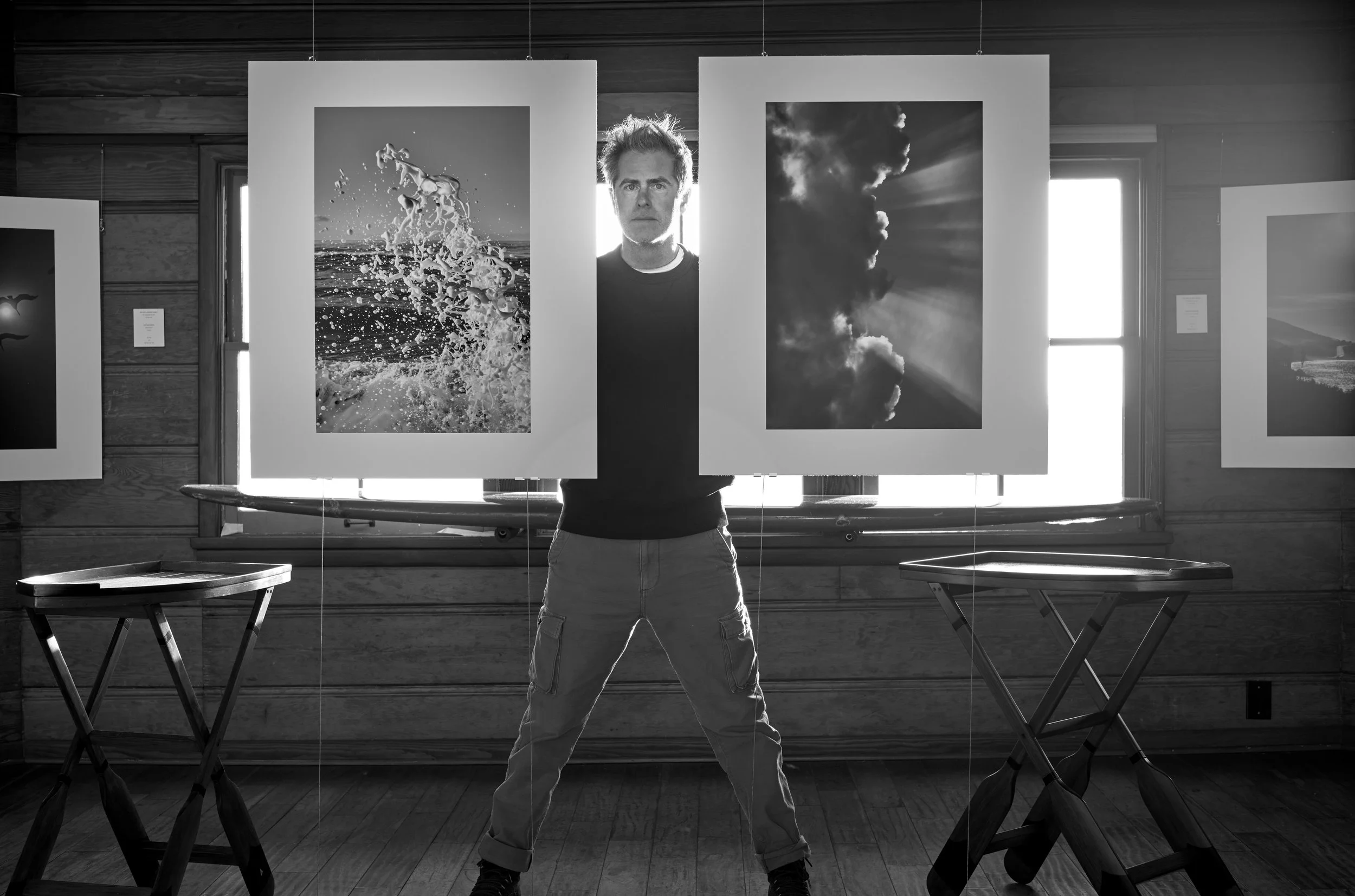
Joshua Klein at the Surfrider Gallery on the Malibu Pier. Joshua Klein is a photographer and visual director whose career spans decades and continents, rooted in a lifelong commitment to the craft of black-and-white photography. He earned his BFA in Photography from Parsons School of Design — studying in both Paris and New York under the mentorship of Civil Rights photographer Benedict Fernandez, fashion legend Lillian Bassman, and art director Henry Wolf. Following graduation, he joined Ralph Lauren, where he spent a decade rising to become the brand’s in-house photographer, deepening his use of visual storytelling.
Relocating to California, Klein brought his photographic eye to the broader world of visual direction, spending fifteen years re-imagining the historic Malibu Pier and shaping the identity of the bespoke line One Moon — work that took him back to Paris designing a vitrine at the gallery of the Hôtel Ritz. Throughout his career he has built an extensive body of fine art black-and-white work, with portfolios spanning Paris, Havana, Versailles, Mali, Namibia, Yosemite, and the American West. His work has been exhibited at the Surfrider Gallery in Malibu, the Bolinas Gallery, and LA Art Exchange in Santa Monica, and is currently on view at a gallery on the rue du Faubourg Saint-Honoré in Paris.
“My goal is to create a sweeping, large format body of work that will inspire the conservation of our great northern frontier and its inhabitants.”
— Joshua Klein
The Great Alaska Project requires financial support because the work it demands — and the scale at which it must be done to matter — cannot be accomplished without significant resources.
Twenty weeks of fieldwork across one of the most remote and logistically challenging landscapes on Earth requires bush flights into roadless wilderness, ferry passages through the Inside Passage, and guides & Indigenous consultants who can open doors that no outsider can open alone. This is not a project that can be executed from a distance or on a modest budget — it requires full immersion across four seasons, in conditions that range from the frozen Arctic winter to the midnight sun of the Alaskan summer.
Grants will play a major part of funding this project, but these take time. What is needed NOW are the funds to get this project off the ground by friends who believe in the importance of the project and urgency of now.
Project Goals
01
museum quality exhibition
02
book publication
03
public digital archive